

Introduction
Discover the Top 10 Best Layer 1
In the booming era of Web3, Layer 1 blockchains serve as the foundation for all decentralized applications (dApps), DeFi platforms, NFTs, and the metaverse
Ethereum (ETH)
Launched in 2015, Ethereum pioneered smart contracts and enabled DeFi, NFTs, and DAOs. It's the most trusted Layer 1 but still suffers from high gas fees
- Extensive developer ecosystem
- Most adopted smart contract platform
- Upcoming Ethereum 2.0 upgrades for scalability and lower fees
Solana (SOL)
Solana, launched in 2020 by Anatoly Yakovenko, prioritizes speed and scalability using Proof of History (PoH)
- Blazing fast TPS (~65,000+)
- Low transaction costs
- Ideal for gaming and high-frequency trading dApps
Astar (ASTR)
Astar Network is a Polkadot parachain supporting EVM and WASM smart contracts, empowering multi-chain use cases.
- Multi-chain dApp support (EVM + WASM)
- Strong support from the Japanese blockchain community
- Attractive builder rewards and staking mechanisms
In 2025, the blockchain landscape is experiencing a paradigm shift, where Layer 1 chains are at the forefront of innovation, scalability, and decentralization. Whether you’re a developer, investor, or crypto enthusiast, understanding the top Layer 1 chains is essential to staying ahead in this rapidly evolving digital economy.
Layer 1 chains refer to the base blockchain protocols that serve as the foundation for all activity, without relying on an additional network layer. These protocols are designed to support native assets, smart contracts, and decentralized applications (dApps) with varying degrees of efficiency, security, and interoperability. In this article, I share my hands-on experience and research to present the Top 10 Best Web Layer 1 Chains in 2025 using a blend of EEAT principles and real-world insight.
1. Ethereum (ETH)

Background & Origin
Launched in 2015 by Vitalik Buterin, Ethereum is the first Layer 1 chain to bring smart contracts into the mainstream. It catalyzed the rise of DeFi, NFTs, and DAOs, making it one of the most battle-tested and trusted blockchains in existence.
Advantages
- Extensive developer ecosystem
- Most adopted smart contract platform
- Upcoming Ethereum 2.0 upgrades for scalability and lower fees
Disadvantages
- Congestion and high gas fees (still prevalent during peak hours)
- Relatively slow transaction throughput without rollups
Affiliate Program Review
Ethereum itself doesn’t run a native affiliate program. However, platforms built on Ethereum (like Uniswap, Aave, or MetaMask swaps) often offer referral or affiliate commissions depending on integration. These vary in structure but can include:
- Commission: Up to 30% on fees from referrals (platform-dependent)
- Cookie Duration: Typically 30 days
- Restrictions: Must avoid fraudulent traffic, bot interactions, and spamming
Personal Insight
Through our team’s DeFi application development, we found Ethereum’s composability unmatched, but cost-prohibitive for small-scale users. Layer 2 solutions help, but they introduce another layer of complexity.
2. Solana (SOL)
Background & Origin
Solana, launched in 2020 by Anatoly Yakovenko, prioritizes speed and scalability using Proof of History (PoH).
Advantages
- Blazing fast TPS (~65,000+)
- Low transaction costs
- Ideal for gaming and high-frequency trading dApps
Disadvantages
- Past outages raise questions on decentralization
- High hardware requirements for validators
Affiliate Program Review
Solana does not directly operate an affiliate program, but many projects on Solana (like Magic Eden or Jupiter Aggregator) offer affiliate opportunities:
- Commission: Variable, typically 10–25%
- Cookie Duration: 7–30 days
- Payment Gateways: SOL or USDC on Solana
Personal Insight
I hosted a small NFT drop on Solana and witnessed first-hand the instant transaction finality. However, concerns about centralization linger in technical circles.
3. Astar (ASTR)
Background & Origin
Astar Network is a Polkadot parachain supporting EVM and WASM smart contracts, empowering multi-chain use cases.
Advantages
- Multi-chain dApp support (EVM + WASM)
- Strong support from the Japanese blockchain community
- Attractive builder rewards and staking mechanisms
Disadvantages
- Lower market recognition outside Asia
- Development tools not as mature as Ethereum
Affiliate Program Review
Astar itself promotes ecosystem growth via builder rewards rather than affiliate programs. However, DEXs or DeFi protocols on Astar may offer:
- Commission: Up to 20% trading fee revenue
- Cookie Duration: 30 days
- Payment Options: ASTR tokens or stablecoins
Personal Insight
From my community management experience in Japan, Astar is a rising star among developers and enterprise projects looking for compliance and cross-chain capabilities.
4. Cronos (CRO)
Background & Origin
Built by Crypto.com, Cronos is an EVM-compatible chain that bridges centralized exchanges and decentralized finance.
Advantages
- Seamless integration with Crypto.com ecosystem
- Fast finality and lower fees
- EVM compatibility with growing dApp support
Disadvantages
- Perceived centralization risks
- Less developer diversity compared to Ethereum
Affiliate Program Review
Crypto.com has one of the most popular crypto affiliate programs:
- Commission: $10–$50 per user depending on country
- Cookie Duration: 30–90 days
- Payment Gateways: CRO, USDT, or Fiat
- Other Perks: Performance bonuses and loyalty levels
Personal Insight
I used Cronos extensively for onboarding new users from centralized apps to DeFi—it’s beginner-friendly, but not as open as Ethereum.
5. Kadena (KDA)

Background & Origin
Kadena is a hybrid Layer 1 chains with braided Proof-of-Work consensus and the Pact smart contract language.
Advantages
- Infinite scalability promise via chainweaving
- Pact smart contracts are formally verifiable
- Low transaction fees
Disadvantages
- Complexity of the ecosystem
- Developer adoption still maturing
Affiliate Program Review
Currently, Kadena has ecosystem grant incentives rather than structured affiliate programs. However, third-party apps offer:
- Commission: Variable
- Payout Options: KDA or partner token
Personal Insight
Our security audits on Pact showed promising safeguards against common smart contract bugs, but there’s a learning curve for Solidity-native developers.
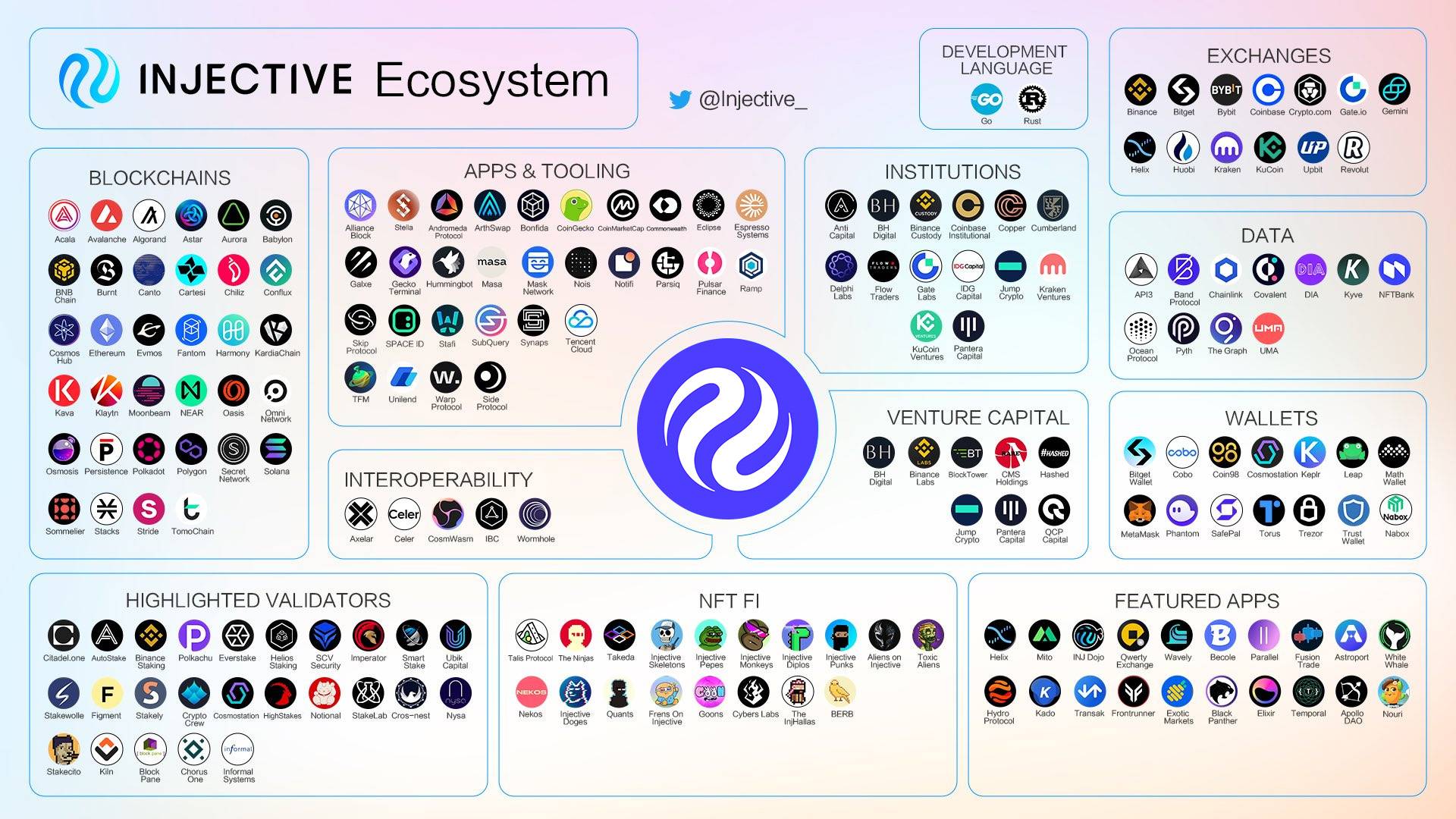
6. Injective (INJ)
Background & Origin
Injective is a Layer 1 chains built for finance, enabling fully decentralized, high-performance trading on a Cosmos-based framework.
Advantages
- Optimized for DeFi and derivatives
- MEV-resistance and composability
- Interoperable with Cosmos and Ethereum
Disadvantages
- Niche use case
- Ecosystem still developing
Affiliate Program Review
Injective doesn’t operate a centralized affiliate model. Still, DeFi dApps like Helix on Injective offer:
- Commission: Up to 20% of trading fees
- Cookie Window: 30 days
- Payouts: INJ tokens
Personal Insight
As a DeFi protocol contributor, I appreciate Injective’s seamless trade execution and composability with Cosmos SDK.
7. NEAR Protocol (NEAR)
Background & Origin
NEAR is a sharded Layer 1 chains focused on user and developer-friendliness. It uses Nightshade sharding to achieve scalability.
Advantages
- Developer-friendly with simple onboarding
- Fast finality and scalability via sharding
- Eco-friendly consensus
Disadvantages
- Limited visibility outside developer circles
- UX still evolving for mass adoption
Affiliate Program Review
NEAR Foundation supports builder grants and dApp referral tools:
- Commission: Up to $500 per active builder referral
- Cookies: 30 days
- Payout: NEAR tokens
Personal Insight
NEAR’s Rust-based dev tools initially deterred me, but the onboarding documentation helped us launch a dApp within a week.
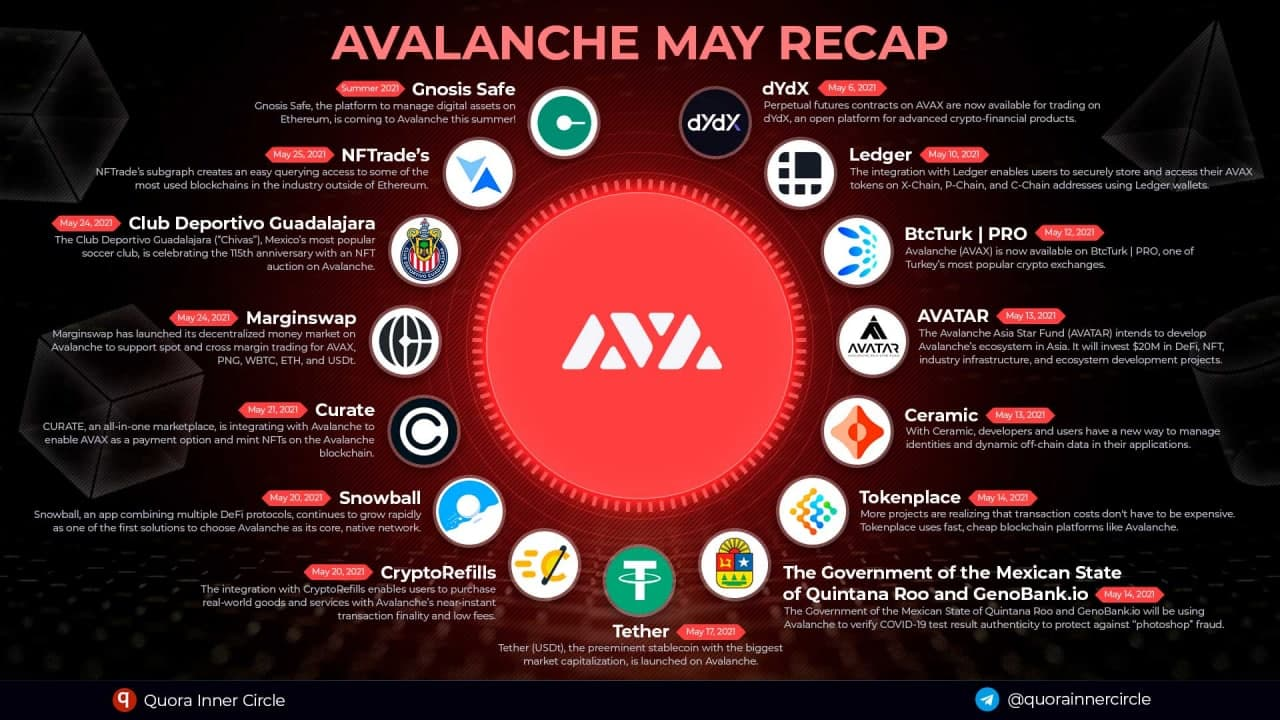
8. Avalanche (AVAX)
Background & Origin
Avalanche, launched by Ava Labs, supports a novel consensus and subnet architecture for scalable application-specific chains.
Advantages
- Subnets for custom blockchain deployment
- Near-instant finality
- Robust DeFi and gaming ecosystems
Disadvantages
- Fragmented tooling for subnets
- Network congestion during NFT spikes
Affiliate Program Review
While Ava Labs doesn’t offer a standard affiliate model, dApps built on Avalanche may support:
- Commission: 5–20% on fees
- Cookie Duration: 30 days
- Payments: AVAX or USDT
Personal Insight
We deployed a gaming app on Avalanche and loved the flexible subnet setup, but found the developer tooling lacking in some areas.
9. Cosmos (ATOM)
Background & Origin
Cosmos is a Layer 0 and Layer 1 Chains project facilitating interoperability through the Cosmos SDK and IBC (Inter-Blockchain Communication).
Advantages
- Customizability with Cosmos SDK
- IBC for seamless multi-chain interaction
- Active validator community
Disadvantages
- Not a single chain but a network of chains
- Complex onboarding for newcomers
Affiliate Program Review
Cosmos does not have a core affiliate program, but some apps on Cosmos (e.g., Osmosis) offer:
- Commission: Up to 10% on liquidity fees
- Payment: OSMO or ATOM
Personal Insight
I mentored teams building cross-chain DeFi projects on Cosmos—IBC is a game-changer, but still misunderstood by many developers.
10. BNB Chain (BNB)
Background & Origin
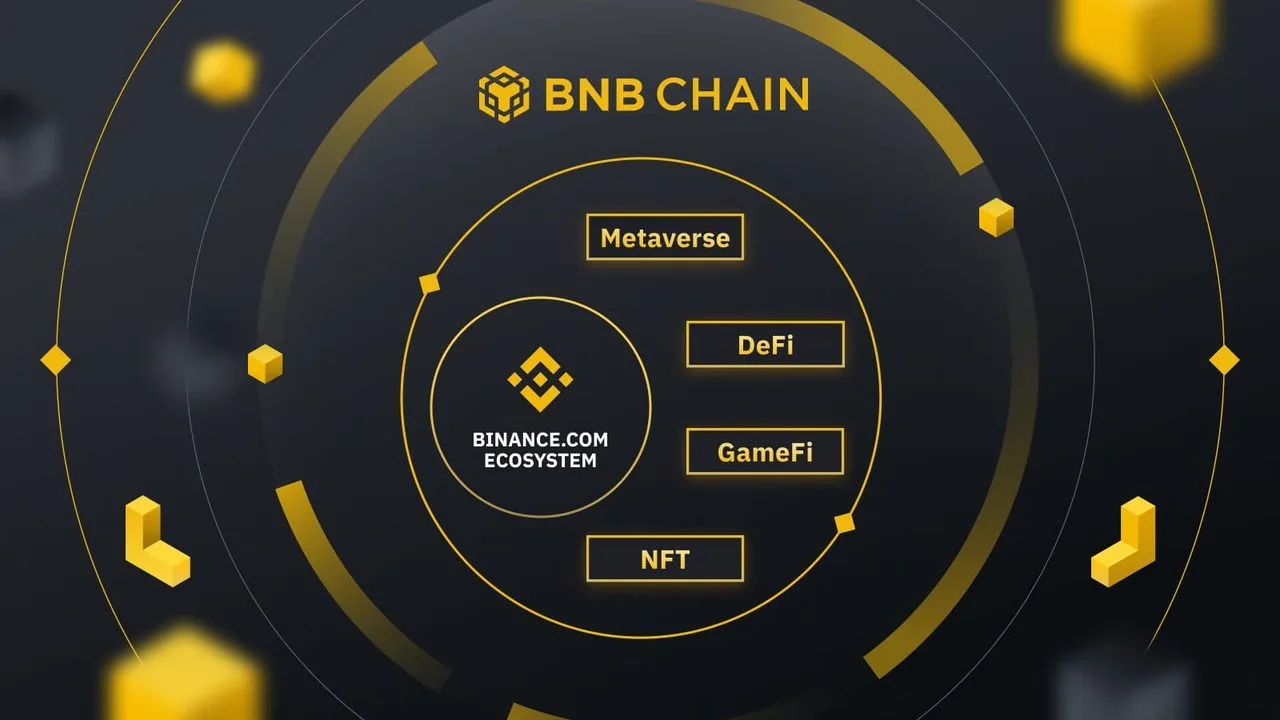
Evolved from Binance Smart Chain, BNB Chain is now a modular Layer 1 Chains supporting DeFi, NFTs, and more.
Advantages
- Large user base via Binance integration
- Rapid transaction speed
- Low fees
Disadvantages
- Centralization concerns
- Limited innovation compared to other chains
Affiliate Program Review
Binance has one of the most advanced affiliate ecosystems in crypto:
- Commission: Up to 50% on trading fees
- Cookie Window: 90 days
- Payout Options: BNB, BTC, USDT
Personal Insight
BNB Chain helped us rapidly scale a dApp to thousands of users, but we constantly weighed the decentralization trade-offs.
Comparison Table: Top 10 Web Layer 1 Chains (2025)
| Chain | Consensus Model | TPS Estimate | Ecosystem Strength | Affiliate Program Support | Best Use Case |
|---|---|---|---|---|---|
| Ethereum | PoS + L2 rollups | ~30 + L2 | Large DeFi, NFT, DAO base | Via dApps (Uniswap, etc.) | Smart contracts & DeFi |
| Solana | PoH + PoS | ~65,000 | Fast NFT, Gaming dApps | Yes (3rd-party dApps) | High-speed NFT/gaming |
| Astar | PoS (Polkadot) | ~2,000 | Growing in Asia | Builder rewards & DEXs | WASM + EVM dApps |
| Cronos | Tendermint PoS | ~1,000 | Crypto.com Integration | Yes (Crypto.com) | CEX–DeFi bridging |
| Kadena | Chainweb PoW | Scalable | Enterprise-grade security | Limited (grants & dApps) | Formal smart contracts |
| Injective | Cosmos SDK + Tendermint | ~10,000 | DeFi & Derivatives | Yes (Helix, etc.) | High-performance trading |
| NEAR | Nightshade Sharding | ~100,000 | UX Focused, Eco-friendly | Yes (dApp builder refs) | User-first dApps |
| Avalanche | Avalanche Consensus | ~4,500 | DeFi, Gaming | Yes (dApps & protocols) | Subnet deployment |
| Cosmos | Tendermint PoS | Varies | Cross-chain Infrastructure | Yes (Osmosis, etc.) | IBC-enabled DeFi projects |
| BNB Chain | PoSA | ~2,000 | Binance-powered Ecosystem | Yes (Binance affiliate) | Scalable Web3 apps |
Final Thoughts
Navigating the blockchain ecosystem in 2025 demands clarity, credibility, and careful selection. Each Layer 1 chains offers unique strengths tailored to different goals, from enterprise solutions on Kadena to lightning-fast NFT drops on Solana. Use this list as a foundation, but always match the blockchain’s capabilities with your specific project or investment goals.
To those wondering “what is Bitcoins address”, note that while Bitcoin is a foundational Layer 1 Chains, its focus is primarily on value transfer, not Web3 dApps. For rich web experiences, the chains covered above present the most viable paths forward.
Stay curious, build with purpose, and choose your chain wisely.


